
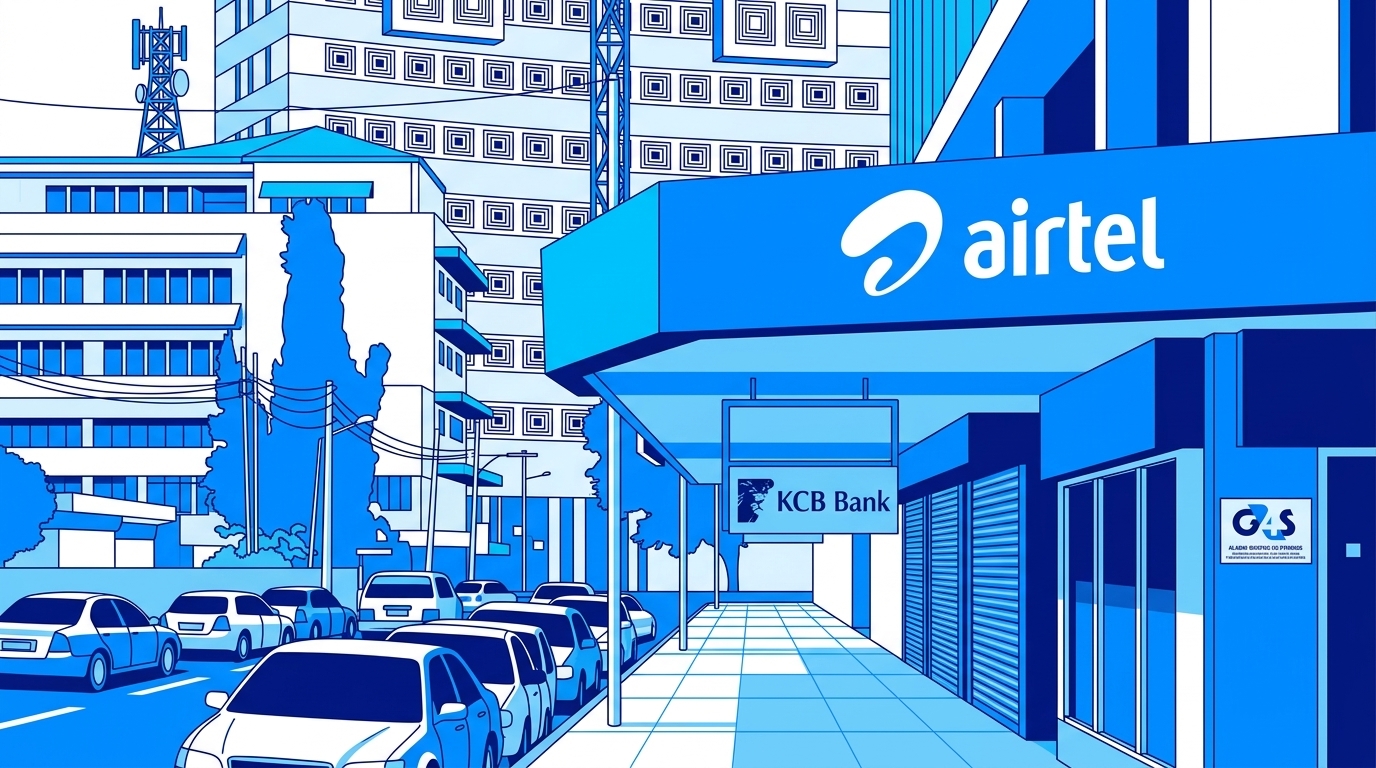


Airtel Africa Declares Nigeria As Its Largest and Most Lucrative Market
Airtel Africa officially confirmed that Nigeria remains its most lucrative operational territory, fueling massive financial expansion through expanding mobile data and digital payment services today.
Umar Abubakar | 1 Sept. 2026 · 3 min read

Airtel Africa continues to rely heavily on its largest consumer base to generate steady cash flow. The telecommunications giant recently reiterated that Nigeria stands as its biggest and most lucrative operational territory. With a rapidly growing population and increasing demand for internet connectivity, the West African nation accounts for a huge percentage of the total earnings reported by the network provider. This heavy reliance highlights how much the Nigerian consumer means to the overall success of the brand across the entire continent.
The numbers paint a very clear picture of this regional dominance. While the company operates in multiple countries across East and Central Africa, operations within Nigerian borders consistently outperform other markets. The telecommunications firm sees millions of active subscribers generating daily profits through voice calls and internet data subscriptions. To understand how competitors view this exact same demographic, you can read about how MTN plans a huge expansion targeting thirty million mobile money users in Nigeria.
Surging Demand for Internet Data
Voice calls used to bring in the most money for mobile networks. That reality has changed completely over the past five years. Today, internet data consumption acts as the main engine for financial success. Airtel Africa recorded huge spikes in data usage across its Nigerian user base. The company invested heavily in building 4G network towers and recently started rolling out 5G connectivity in major cities like Lagos and Abuja.
Younger consumers are watching more videos, downloading heavy files, and spending hours on social media platforms. This behavioral shift forces the network provider to constantly upgrade its physical infrastructure. Keeping the network fast and reliable requires spending over $150M annually on new fiber optic cables and advanced radio equipment.
Digital Payments and Financial Inclusion
Beyond internet access, financial services represent a huge growth area for the telecommunications provider. The company operates a digital wallet service that allows users to send cash, pay bills, and buy airtime using their mobile phones. This service is incredibly popular in areas where traditional banks do not operate physical branches.
By turning every mobile phone into a virtual bank account, the company captures a small fee on millions of daily transactions. The Nigerian government heavily supports these initiatives, viewing them as a practical way to bring unbanked citizens into the formal economy. For more context on how technology intersects with regional finance, check out recent telecommunications market updates reported by Reuters.
Economic and Regulatory Obstacles
Operating in such a huge market comes with unique obstacles. The recent devaluation of the local currency heavily impacted the financial reports of the telecommunications provider. Because the company earns money in Naira but often pays for imported technology equipment in United States dollars, currency fluctuations can erase a large portion of their profits overnight.
Additionally, strict government rules require the company to carefully monitor its subscriber base. Federal agencies mandate that every active phone number must connect to a verified national identity number. When the government introduced these rules, network operators had to disconnect millions of unverified lines, which temporarily hurt their income. Despite these temporary setbacks, Airtel Africa managed to recover quickly by launching aggressive registration campaigns to win those users back.
Long Term Infrastructure Plans
Looking ahead, the leadership team at Airtel Africa sees plenty of room to grow within the country. The total population of Nigeria currently exceeds two hundred million people, and a large portion of those citizens still lack reliable internet access. The company plans to continue pouring capital into rural areas to connect previously ignored communities to the global internet.
The management team understands that losing their grip on this exact territory would severely damage their corporate valuation. By prioritizing customer service, upgrading network hardware, and expanding their digital payment options, the firm intends to defend its position against rival operators. As long as the local population continues to demand faster internet and accessible digital banking, Nigeria will remain the undisputed crown jewel of the Airtel Africa portfolio.
Read More on TechRobust:
Umar Abubakar
 LinkedIn
Umar Abubakar
Expertise:Editorial Leadership, Product Design (UI/UX), Digital Media Strategy, Technology Systems, Product Architecture
Award:TechRobust Visionary Leader of the Year 2025
Umar serves as Editor-In-Chief and CEO of TechRobust, combining editorial vision with senior product design expertise to shape how modern technology stories are built, packaged, and told. Overseeing all editorial verticals, he directs coverage across global and regional tech landscapes while applying deep design thinking to publication strategy and reader experience.