
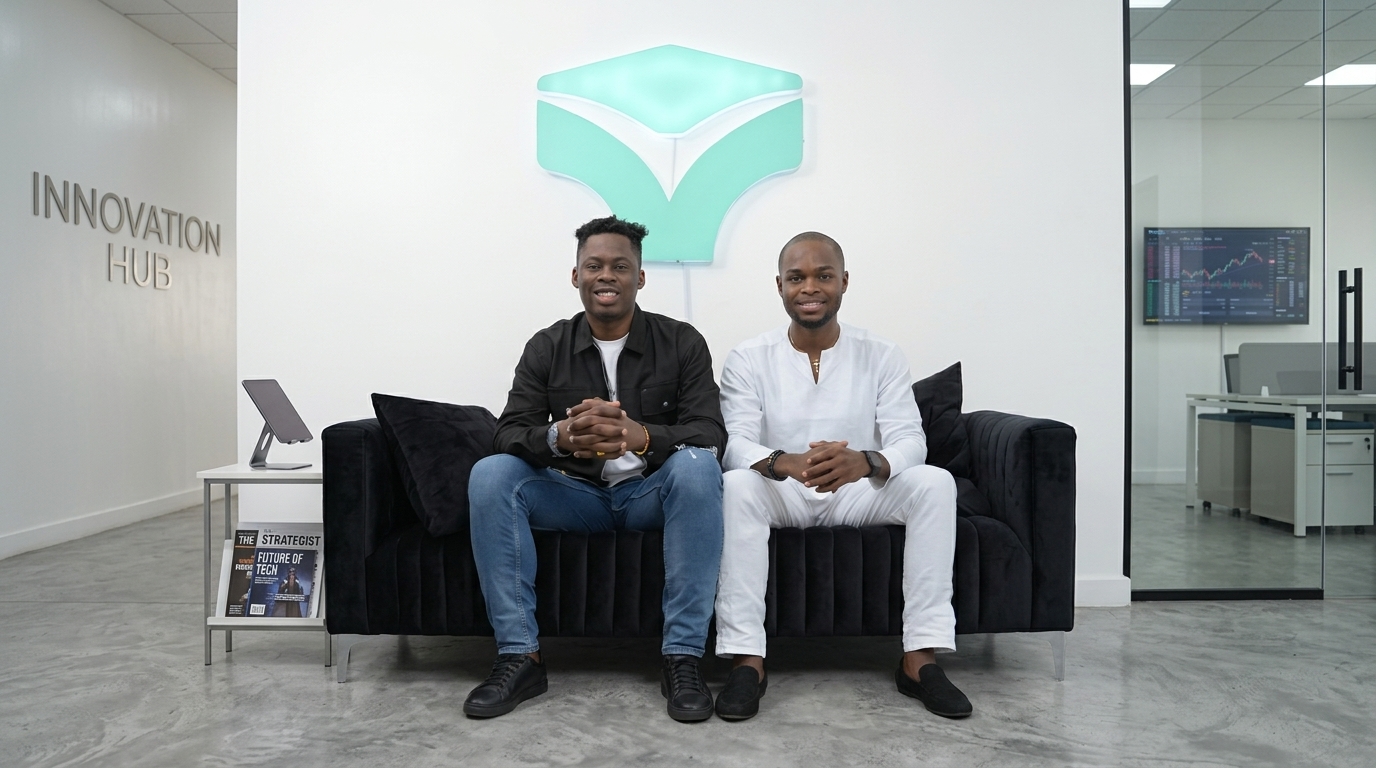


Paystack Shuts Down Allawee Following Secret 2025 Acquisition
Paystack absorbed Nigerian card issuing startup Allawee during a secret acquisition last year and plans to shut down all consumer accounts by early this December.
Umar Abubakar | 1 Sept. 2026 · 4 min read

Paystack recently announced plans to terminate all services connected to the Nigerian card issuing startup Allawee. This public closure follows a secret acquisition that occurred behind closed doors during 2025. According to emails sent directly to account holders, the consumer facing brand will officially shut down all personal and business financial operations on December 1, 2026. The technology that powered the smaller company will now operate entirely inside the Paystack ecosystem.
Users only have a few weeks left to empty their wallets and find alternative banking solutions. The parent company gave account holders a strict deadline of November 30 to withdraw their funds. The notifications warned that any money sent to existing Allawee account numbers will automatically fail after the December cutoff date. Existing physical and virtual cards will also stop functioning entirely, regardless of the expiration dates printed on the plastic.
The Origin and Evolution of Allawee
Ikenna Enenwali and Oreofe Olurin launched the startup in 2022. The company went through several distinct phases before catching the attention of larger buyers. The founders originally built a credit card lending business. They later pivoted toward building software that calculated credit risk. Finally, the team settled on supplying card infrastructure. They helped banks and other financial institutions issue customized payment cards and manage spending controls.
The underlying software performed incredibly well. The system processed tens of billions of naira and successfully handled complex ledger management, tokenization, and account infrastructure. This proven technical success attracted early backing from prominent investors. The capitalization table included Voltron Capital, Rali Cap Ventures, PiggyVest, and Golden Square Capital. Several founders and angel investors also supplied early capital.
Paystack purchased the business primarily to acquire its engineering team and its underlying software architecture. None of the consumer facing products will survive the transition. If you want to read more about how major payments processors operate across the continent, you can review recent updates on Flutterwave securing its massive three billion dollar valuation.
Moving Customers to New Services
The parent company decided against moving users automatically. Account balances, transaction histories, and identity verification records will not carry over to the new systems. Users must actively register for replacement services and transfer their cash manually.
Individual consumers are being directed to download Zap. This consumer transfer application was built internally by Paystack to handle peer to peer transactions. Business clients are receiving instructions to open corporate accounts through Paystack Microfinance Bank. The company took this exact same manual approach when it folded the business banking startup Brass into its operations earlier this year.
Company representatives promised that no one will lose their money. Any cash remaining in the system after the deadline will stay safely recorded on internal ledgers. People who miss the November 30 deadline must contact customer support through email to request a manual payout. The support team warned that manual requests will take much longer to process than standard withdrawals.
A Season of Financial Consolidation
The African financial technology sector is experiencing massive consolidation. Between 2020 and 2022, venture capitalists flooded the market with cash. This funding boom encouraged hundreds of young companies to build overlapping payment products. Today, raising capital is much harder. Tighter monetary conditions and strict regulatory oversight are forcing smaller teams to merge with massive corporations just to survive.
Paystack is taking advantage of this environment to assemble a complete financial empire. Instead of building every single feature from scratch, the payments processor is buying existing companies to fill out its product catalog. Before absorbing Allawee and Brass, the company acquired Ladder Microfinance Bank in January. That specific deal gave the processor access to a formal banking license, allowing them to restructure their operations under a new holding company.
You can see similar expansion strategies happening across the region. Other well funded competitors are also pushing hard into new territories. For a clear picture of this trend, take a look at how PalmPay is targeting a 100 million dollar funding round to expand its own digital banking operations. To read more about the business mechanics of these regional mergers, you can review ongoing coverage at TechCrunch Startups.
By quietly buying specialized software builders like Allawee, Paystack secures the technical pieces needed to dominate the Nigerian market. The larger corporation gets to integrate tested card issuing software into its own merchant tools without spending years developing the code internally. While the original startup brand will disappear by December, the code written by its engineering team will likely process transactions for millions of people over the coming decade.
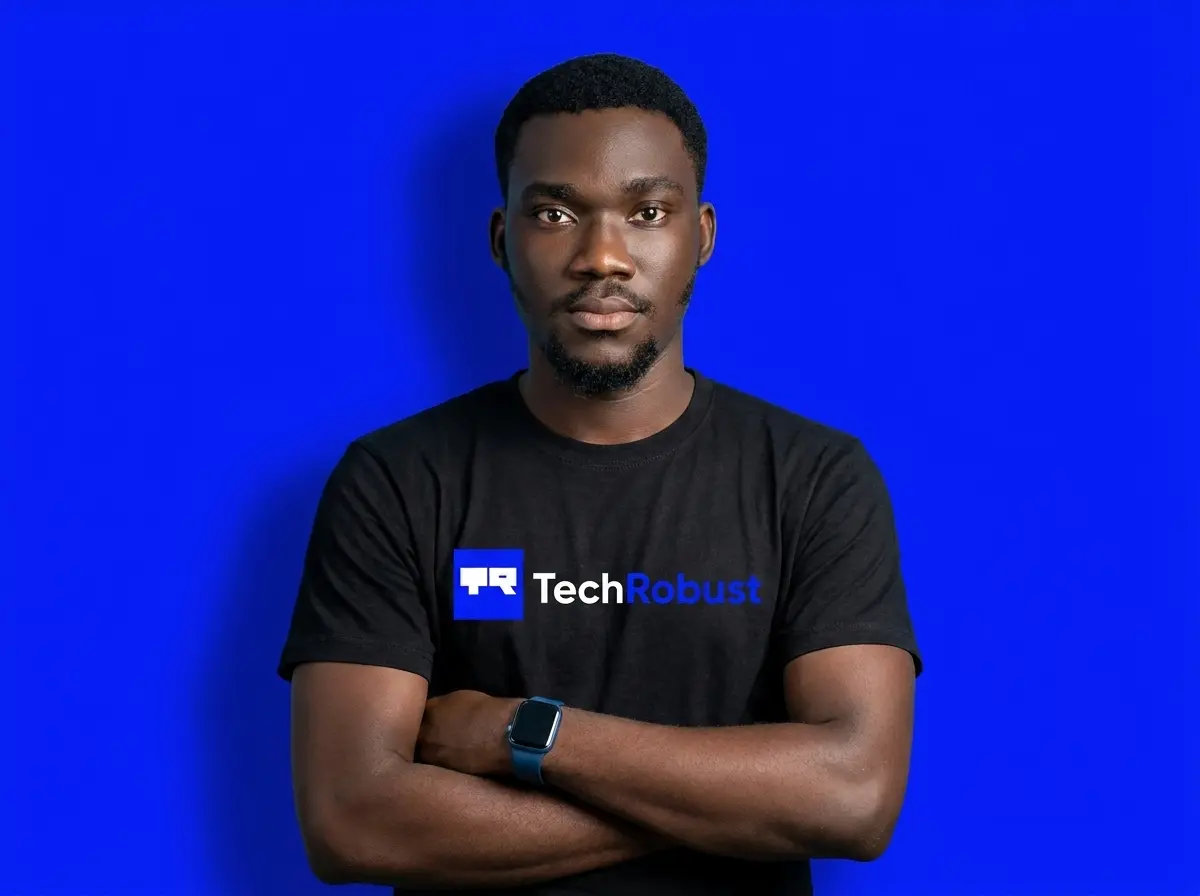
Umar Abubakar
 LinkedIn
Umar Abubakar
Expertise:Editorial Leadership, Product Design (UI/UX), Digital Media Strategy, Technology Systems, Product Architecture
Award:TechRobust Visionary Leader of the Year 2025
Umar serves as Editor-In-Chief and CEO of TechRobust, combining editorial vision with senior product design expertise to shape how modern technology stories are built, packaged, and told. Overseeing all editorial verticals, he directs coverage across global and regional tech landscapes while applying deep design thinking to publication strategy and reader experience.