
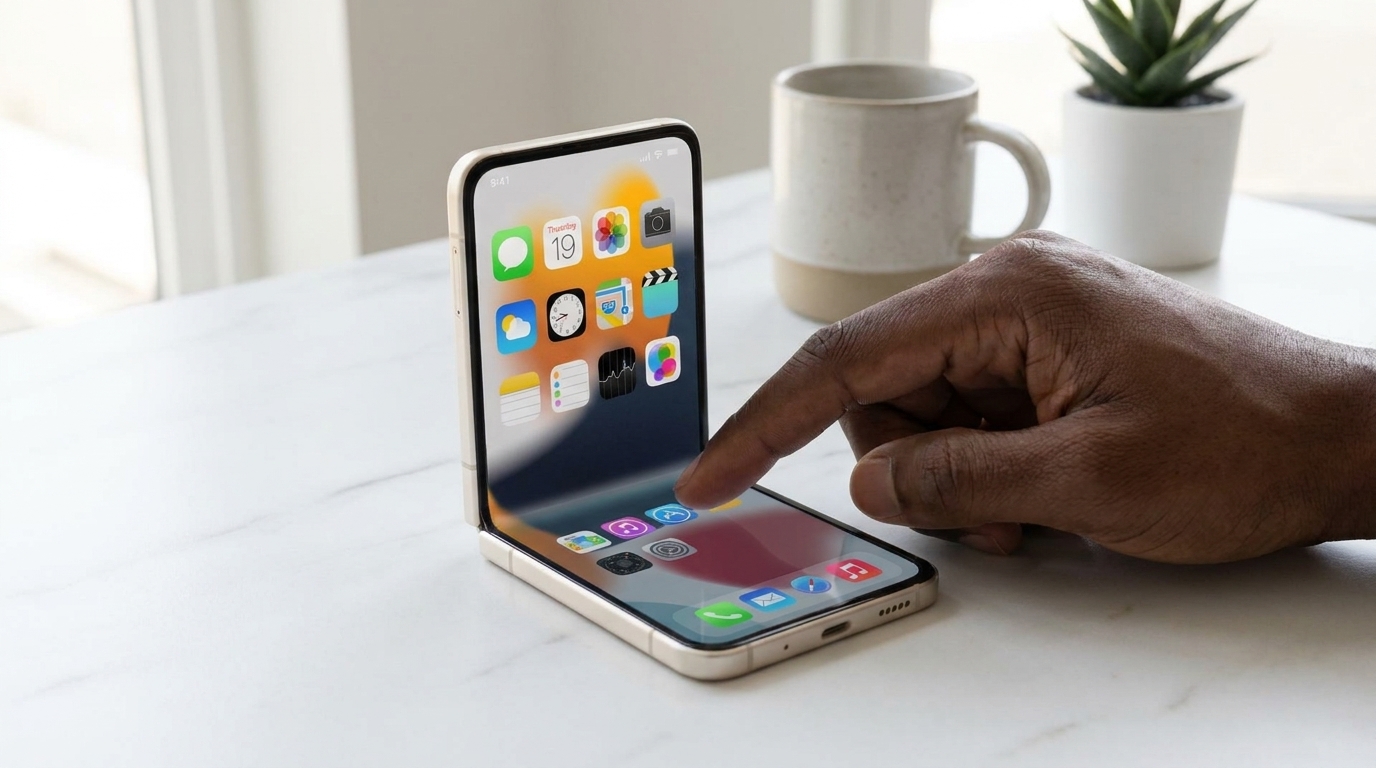


Majority of Americans Indifferent to Purchasing a Foldable Apple Smartphone
Recent polling data shows that most adults in the United States remain completely uninterested in buying a bending smartphone regardless of the brand name attached.
Umar Abubakar | 30 Aug. 2026 · 2 min read

Most consumers are ignoring the hype surrounding flexible screens. A recent survey conducted by CNET and YouGov asked 2,605 adults across the United States about their interest in a potential folding device from Apple. The findings revealed that 75 percent of those surveyed simply do not care about a foldable iPhone. This massive block of indifferent buyers spans every adult age demographic.
Older groups expressed the highest resistance to the concept. Around 83 percent of Baby Boomers and 77 percent of Generation X respondents said they have no desire to buy a device that bends in half. Younger generations, who traditionally jump at the chance to own fresh hardware, also showed minimal enthusiasm. Roughly 69 percent of Generation Z and 68 percent of Millennials remain uninterested in adding a foldable option to their daily carry.
A Massive Price Disconnect
The gap between what consumers will pay and what the hardware actually costs is staggering. Financial analysts predict an Apple folding device could debut anywhere between $2,000 and $2,500. That price point aligns with existing folding models from companies like Google and Samsung.
Those who did show interest in the survey reported they would spend an average of only $781 on a bending phone. That average falls $48 below the starting price of the base model iPhone 17. Generation Z respondents were willing to spend slightly more, capping out at an average of $919. Millennials averaged $859, Generation X dropped to $690, and Boomers hit bottom at $572. This data suggests that even the people who want the hardware are unwilling to pay the massive premium required to manufacture it.
If you want to read more about how smartphone costs are affecting purchasing decisions, you can check out related mobile hardware analysis covering global pricing shifts.
Global Shortages Delay Upgrades
Beyond the lack of interest in flexible screens, regular smartphone upgrades are slowing down. The ongoing shortage of random access memory components is forcing hardware makers to raise their retail prices. Apple quietly bumped up prices on multiple product lines earlier this summer because of these exact supply chain issues.
These rising costs are making 41 percent of adults rethink their plans to buy a replacement phone this year. According to the polling data, 5 percent are now looking at older or cheaper models, while 4 percent plan to switch brands entirely. Another 4 percent are actively browsing the refurbished market to save money. Only heavy carrier subsidies or aggressive trade-in promotions will convince 9 percent of respondents to pull the trigger on an upgrade right now.
These numbers paint a clear picture for hardware manufacturers. While a small, dedicated niche of buyers will happily pay a premium for a screen that folds into a tiny tablet, the overwhelming majority of consumers just want a standard smartphone that fits comfortably into their current budget.

Umar Abubakar
 LinkedIn
Umar Abubakar
Expertise:Editorial Leadership, Product Design (UI/UX), Digital Media Strategy, Technology Systems, Product Architecture
Award:TechRobust Visionary Leader of the Year 2025
Umar serves as Editor-In-Chief and CEO of TechRobust, combining editorial vision with senior product design expertise to shape how modern technology stories are built, packaged, and told. Overseeing all editorial verticals, he directs coverage across global and regional tech landscapes while applying deep design thinking to publication strategy and reader experience.