
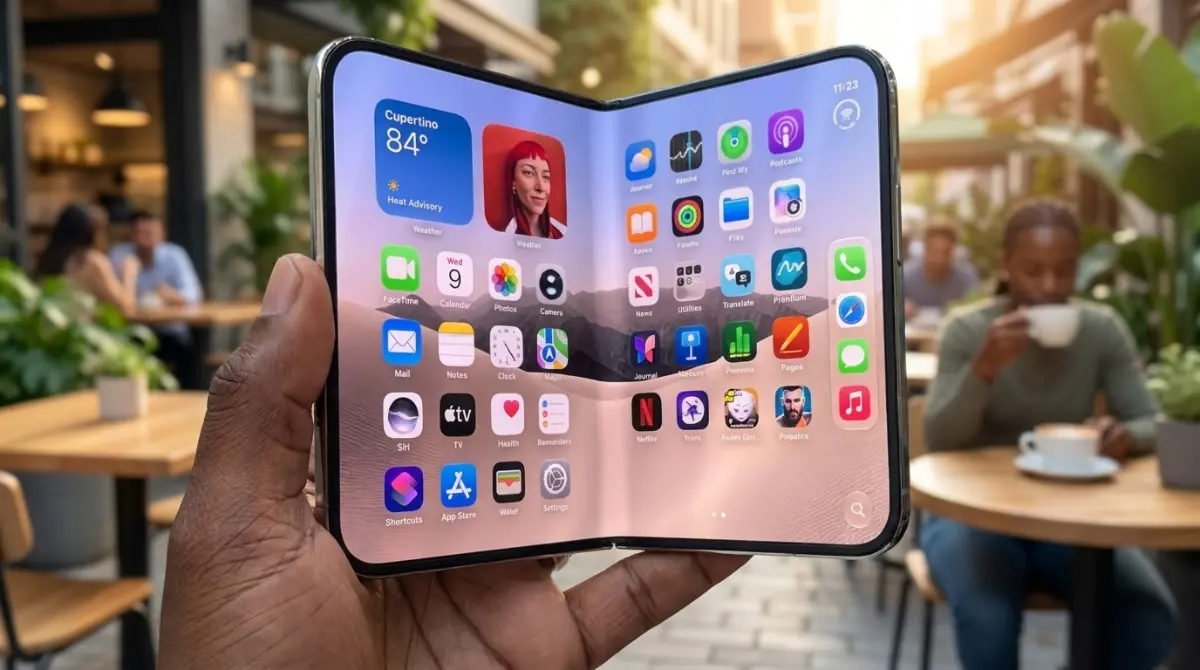


Apple Nails iPhone Duo Split Screen While iPad Multitasking Struggles
The Cupertino giant finally introduced a smooth dual-app layout for its newest mobile hardware, while tablet software continues to suffer from overly complex window management.
Umar Abubakar | 12 Sept. 2026 · 2 min read

For years, mobile software developers treated screen partitioning on phones like an impossible puzzle. When Apple finally previewed the split screen layout for the new iPhone Duo hardware line, I expected the usual clunky implementation. Instead, spending time with the developer preview revealed a smooth experience that makes managing two running programs feel entirely natural. You swipe from the edge, drop a second app into place, and the system instantly adjusts the interface proportions without stuttering.
Contrast that smooth phone implementation with the frustrating reality of modern tablet software. Apple spent years trying to turn tablets into desktop replacements, introducing complex floating windows, slide-over panes, and window staging tools that feel counterintuitive. Instead of simplifying daily workflows, the tablet interface often demands too many taps just to place two windows side by side. You can examine how hardware makers handle physical design changes by reading our coverage detailing Apple facing manufacturing delays regarding foldable phone hinge durability.
Designing Intuitive Phone Layouts
The success of the new phone multitasking feature comes down to restraint. Engineers restricted the layout to a clean vertical split, eliminating arbitrary floating windows that clutter smaller displays. Because phone screens demand focus, the software locks the proportions into predictable halves or thirds, keeping text readable and touch targets large enough for human thumbs.
When you want to swap out a utility, dragging a new program over an existing pane replaces it instantly. This fluid physical interaction avoids the nested menus that plague larger tablet displays. Hardware design choices dictate software usability, a principle we observed when reviewing how Dell built its latest laptop alternative for mobile professionals.
Fixing the Tablet Multitasking Mess
While pocket hardware gains clean split screen controls, tablet users still grapple with an overcomplicated window manager. Stage Manager on iPadOS tries to mimic desktop operating systems, but mixing cursor-driven window overlapping with touch input creates endless confusion. Users frequently misjudge window borders, dragging programs off-screen or accidentally minimizing tools they need active.
Tablet owners want the same direct simplicity found on pocket devices. If the Cupertino team can design a clean split screen routine for smaller screens, they should bring that exact design philosophy back to larger mobile displays. Until then, pocket software remains far more intuitive than tablet software.
Read More on TechRobust:

Umar Abubakar
 LinkedIn
Umar Abubakar
Expertise:Editorial Leadership, Product Design (UI/UX), Digital Media Strategy, Technology Systems, Product Architecture
Award:TechRobust Visionary Leader of the Year 2025
Umar serves as Editor-In-Chief and CEO of TechRobust, combining editorial vision with senior product design expertise to shape how modern technology stories are built, packaged, and told. Overseeing all editorial verticals, he directs coverage across global and regional tech landscapes while applying deep design thinking to publication strategy and reader experience.