
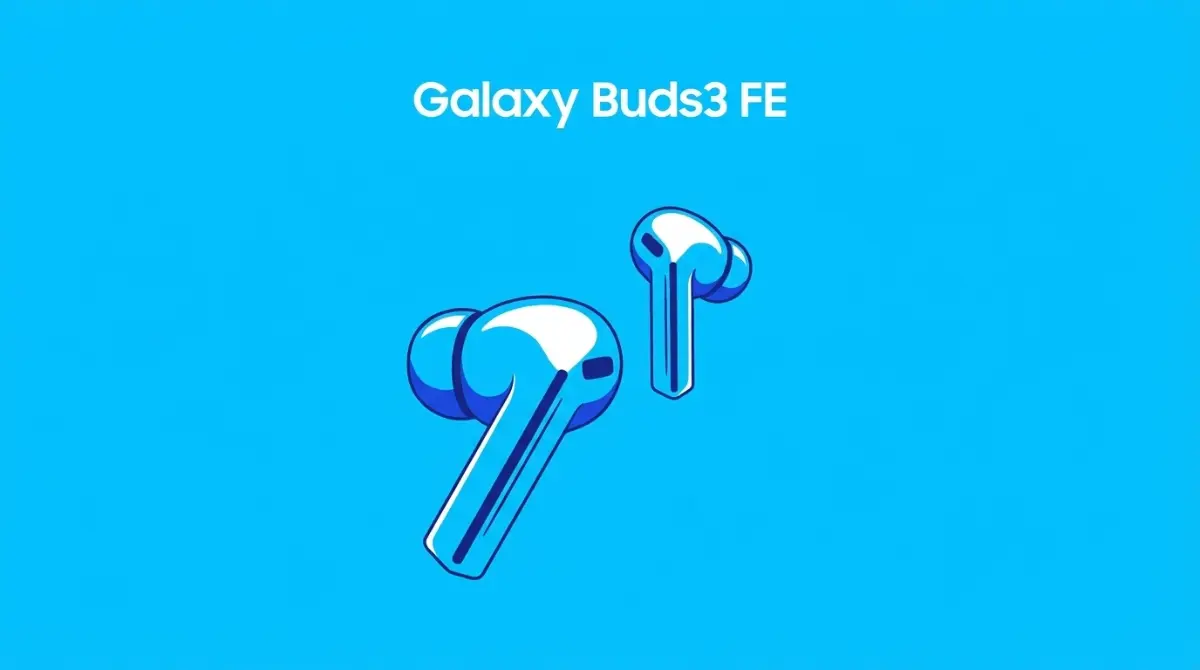


Galaxy Buds3 FE Price Drops To $110 In Apple Rivalry
Samsung slashes the retail price of Galaxy Buds3 FE down to $110 on Amazon, undercutting Apple AirPods to capture price-sensitive mobile audio consumers worldwide.
Umar Abubakar | 9 Sept. 2026 · 7 min read

Testing consumer hardware inside acoustic testing chambers in Seoul three years ago, an audio technician held up a dissected earbud enclosure. Under the magnifying glass, the tiny silicone diaphragm, miniature copper voice coil, and compact battery cell occupied less space than a nickel. The engineer pointed at the bill of materials sheet and told me that the actual factory expense to manufacture premium true wireless earphones rarely exceeds twenty-five dollars. The remaining hundred dollars tacked onto retail stickers existed purely to fund corporate television commercials, distributor margins, and the psychological vanity of brand prestige. That conversation replayed in my mind this morning when retail tracking monitors flashed an unannounced price cut across major electronic storefronts.
Samsung has dropped the retail sticker on its Galaxy Buds3 FE down to $110, taking a twenty-seven percent haircut from its standard $150 list price on Amazon. The unannounced price reduction arrives at a sensitive moment on the corporate calendar. With Apple hosting its annual autumn device showcase and discounting older audio inventory by token margins, the South Korean hardware giant chose an aggressive financial knife fight, lopping $40 off its current-generation silicone directly ahead of the holiday shopping rush.
I have spent fifteen years tracking the commercial games consumer hardware makers play with pricing schedules. When a company reduces a flagship accessory by nearly a third within its active product cycle, public relations teams often frame the move as an innocent seasonal promotional discount. Do not buy that line. This pricing cut represents a targeted strike against Apple’s grip on mid-tier audio gear. By pulling consumer earphones down into the hundred-dollar corridor, Samsung is squeezing competitors while courting Android owners who refuse to pay luxury premiums for daily commuter audio.
The Economics of the Blade Form Factor
To understand why this discount matters, one must examine the engineering shift Samsung executed across its third-generation audio lineup. For half a decade, the Korean conglomerate championed rounded, stemless bud geometries. Those compact circular designs tucked neatly into the ear canal, but they introduced severe operational compromises: cramped microphones struggled to isolate human speech in windy weather, and capacitive touch sensors triggered accidental track skips whenever an owner adjusted their fit.
With the release of the third series, designers abandoned that circular stubbornness, adopting a distinct angular stem layout often called the blade design. Purists immediately scoffed, accusing the manufacturer of cloning Cupertino’s white plastic sticks. Yet in physical testing, the extended stems placed microphone arrays closer to the speaker’s mouth, improving ambient voice pickup while moving touch pinch inputs away from the ear canal. The Galaxy Buds3 FE incorporated that exact mechanical chassis, combining sealed silicone ear tips with an aerodynamic profile.
The standard Buds3 Pro arrived with a steep $250 price tag, loaded with dual amplifiers and planar tweeters aimed at audiophiles. Meanwhile, the baseline Buds3 launched as an open-fit bud without rubber ear tips, an acoustic compromise that allowed outside subway screeching to drown out bass frequencies. That left the Buds3 FE in a sweet spot. By retaining silicone seal tips, active acoustic noise dampening, and reliable physical pinch controls, the Fan Edition variant delivered seventy percent of the flagship experience at sixty percent of the original cost. At $110, that math becomes downright lethal for mid-tier audio rivals.
Acoustic Calibration Over Spec Sheet Excess
When listening through the Buds3 FE inside noisy urban transit coaches, the audio tuning displays a deliberate commercial philosophy. Budget true wireless models often overwhelm listeners with muddy low frequencies, attempting to mask cheap speaker drivers behind exaggerated bass vibration. Samsung’s acoustic tuning team went in the opposite direction, crafting a balanced soundstage that emphasizes vocal clarity, clean midrange guitars, and crisp treble definition without harsh sibilance.
The active acoustic cancellation system punches well above its reduced retail class. While it does not fully silence low-frequency jet engine hum like $300 specialized travel headphones, it isolates office chatter, air conditioning rumble, and street traffic hiss with ease. The physical silicone seal provides enough natural sound isolation that the digital processing filters do not need to work frantically, preserving battery performance during long listening sessions.
Touch interactions on the stem bypass the annoying tap-tap thudding that plagues cheaper audio gear. Instead of slamming a plastic shell against your ear canal to pause a podcast, you squeeze the flat edges of the blade. The gesture responds with an audible click tone, giving immediate sensory confirmation when pausing tracks or toggling between noise dampening and ambient awareness modes. For everyday users rushing through train turnstiles or lifting weights in gym facilities, that mechanical reliability prevents constant phone checking.
The Ecosystem Wall and Hardware Compromises
No consumer electronic product escapes manufacturing compromises, particularly when engineers must trim production expenses to meet a mid-range target. The Buds3 FE reveals where accounting teams drew their cost boundaries. The retail box includes only two sizes of silicone ear tips, whereas competing packages routinely furnish four or five pairs to accommodate atypical ear canals. If your ears require extra-small or extra-large seals, you must purchase third-party foam tips to achieve a secure fit.
Wireless charging is another casualty of the discount knife. The carry case charges via standard USB-C cables, but setting the compact container onto a magnetic wireless desktop pad produces nothing. Furthermore, the plastic case hinge feels slightly lighter and more brittle than the weighted metal-reinforced hinges found on flagship Samsung or Apple products. Battery stamina holds up respectably, delivering roughly six hours of continuous playback with noise cancellation running, expanding to twenty-four hours when topping up from the pocket case. Those figures meet typical industry norms without breaking endurance records.
The most important operational constraint involves software boundaries. Samsung designs these earphones to work seamlessly within its own hardware universe. When paired with a recent Galaxy smartphone, users receive automatic pairing prompts, 360-degree spatial audio tracking, custom equalizer profiles, and native language translation modes. Connect these same earbuds to an Apple iPhone or a competitor's device, and those advanced settings vanish. The earphones still produce audio over Bluetooth, but you lose granular EQ adjustments and firmware updates, effectively turning them into standard audio gear. This matches the platform lock-in tactics we tracked during our Nothing Phone 4a and 4a Pro midrange review, where proprietary software features serve as fences to keep buyers trapped inside a single vendor's garden.
A Shifting Front in the Audio Price Wars
The timing of this $110 discount reveals the intense pressure reshaping the personal audio market. For nearly seven years, Apple commanded the consumer imagination with its white AirPods, treating personal earphones as a high-margin cash register that required rare discounts. Yet consumer spending habits have changed. Inflationary pressures across grocery aisles, utility bills, and cellular plans have made buyers skeptical of paying $180 or $250 for accessories with sealed lithium batteries that inevitably degrade after three years of daily usage.
This dynamic has opened room for calculated hardware plays. When Amazon ran aggressive flash reductions on wireless audio, as detailed when Amazon slashed Nothing Headphone A prices in a one-day sale, shopper demand surged toward well-reviewed hardware priced near the century mark. By discounting the Buds3 FE down to $110, Samsung is positioning itself directly in front of shoppers who want respectable noise cancellation and strong microphone clarity without torching their monthly discretionary budget.
The broader corporate battlefield will only heat up as autumn hardware calendars unfold. With Apple unveiling updated silicon and revised form factors, as documented when Apple scheduled its September presentation for iPhone hardware launches, Samsung must protect its accessory market share by any financial means available. Hardware manufacturers cannot afford to let rivals capture the personal audio channel, because whoever controls the listener's ears ultimately controls their voice assistant queries, media subscriptions, and ecosystem loyalty.
For Android users who want reliable noise cancellation, clean vocal reproduction, and durable build quality, the Galaxy Buds3 FE at $110 represents an undeniable bargain. The deal will not last indefinitely, but while the discount holds, it stands as proof that when corporate tech titans collide, the customer's wallet comes out ahead.
Read More on TechRobust:

Umar Abubakar
 LinkedIn
Umar Abubakar
Expertise:Editorial Leadership, Product Design (UI/UX), Digital Media Strategy, Technology Systems, Product Architecture
Award:TechRobust Visionary Leader of the Year 2025
Umar serves as Editor-In-Chief and CEO of TechRobust, combining editorial vision with senior product design expertise to shape how modern technology stories are built, packaged, and told. Overseeing all editorial verticals, he directs coverage across global and regional tech landscapes while applying deep design thinking to publication strategy and reader experience.