
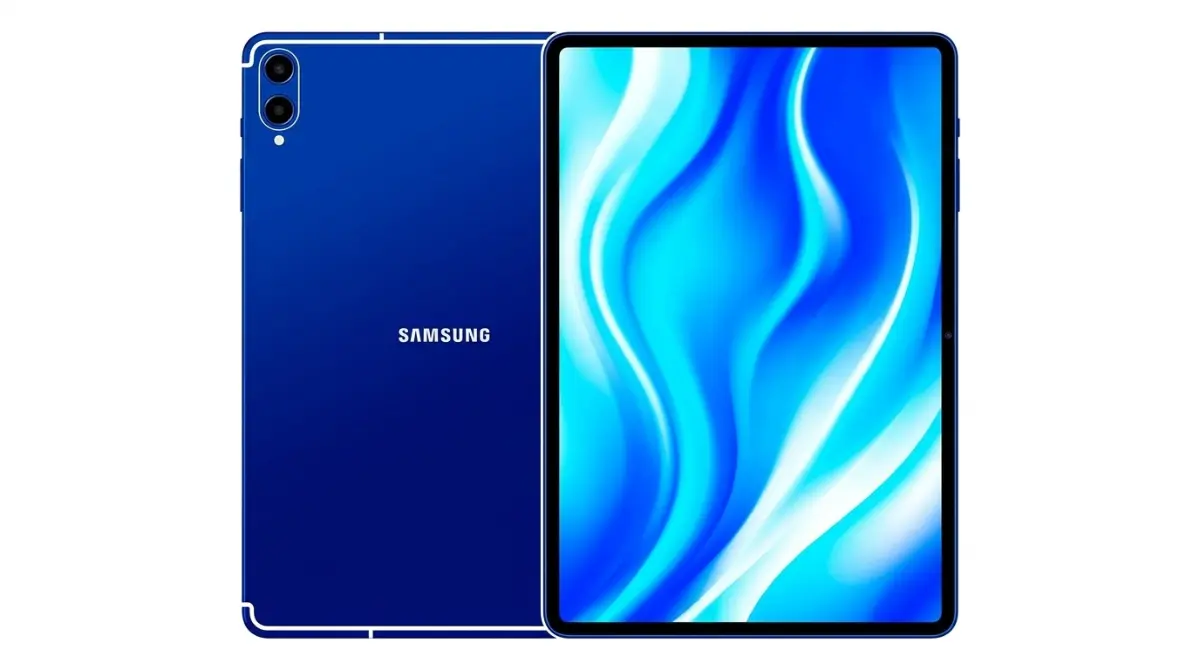


Samsung Galaxy Tab S12 Reportedly Debuts on October 7
Leaked documentation points to an autumn hardware rollout featuring updated flagship slate computers alongside wearable displays and audio accessories next month.
Umar Abubakar | 14 Sept. 2026 · 4 min read

Walk through any electronics trade floor in Berlin or Taipei, and you notice how stagnant the high-end tablet category has appeared. For years, Apple maintained an iron grip on premium slates, daring competitors to match its custom desktop processors and sleek glass enclosures. Android hardware makers repeatedly retreated to the budget aisle, abandoning the professional workstation tier to Cupertino. Samsung remained the lone holdout willing to challenge that dominance directly. Fresh industry leaks confirmed on Monday, September 14, 2026, show the South Korean conglomerate is preparing its next major offensive, with credible reports pointing to a formal debut for the Galaxy Tab S12 lineup on October 7.
The disclosure surfaced when seasoned industry analyst Evan Blass published teaser imagery showcasing the distinctive display bezel and wallpaper of the Galaxy Tab S12 Ultra, stamped plainly with the October 7 date. Rather than waiting for early winter trade showcases, the Seoul hardware maker appears ready to roll out its newest hardware slate in weeks. The launch is expected to feature the Galaxy Tab S12 Plus alongside the expansive Tab S12 Ultra, cementing a strategic transition toward larger, productivity-oriented screens. You can observe how display engineering shapes modern mobile releases by reviewing our report on how Apple nailed iPhone Duo split screen while iPad multitasking struggles.
The MediaTek Silicon Bet
The most fascinating technical narrative surrounding the Galaxy Tab S12 generation is what sits beneath the glass. For nearly a decade, premium Android tablets relied almost exclusively on Qualcomm Snapdragon silicon to deliver competitive graphics and application performance. Early benchmark leaks and regulatory filings reveal that Samsung is doubling down on MediaTek, equipping both the Plus and Ultra variants with the flagship Dimensity 9500 processor.
Swapping silicon partners at the high end is a bold commercial move. MediaTek spent recent years proving its flagship silicon can rival or beat Western designs in raw compute efficiency and thermal dissipation under sustained loads. By utilizing the Dimensity 9500, Samsung gains several structural advantages. The company reduces its component expenditure compared to Qualcomm's premium price tags, while securing specialized on-device neural processing hardware tailored for real-time generative tasks and split-screen desktop modes. Hardware suppliers often balance intense component pricing pressures across flagship devices, a market dynamic we examined when Apple paid Samsung $250 per foldable iPhone Duo screen.
Retaining Screen Dominance in a Stagnant Sector
Where Samsung continues to hold an undeniable advantage over competitors is display fabrication. Leaked schematics show the Tab S12 Ultra retaining its massive 14.6-inch Dynamic AMOLED panel, framed by razor-thin borders and the familiar dual-camera display cutout. The Tab S12 Plus preserves a balanced 12.4-inch footprint, offering a lighter alternative for mobile professionals who find the Ultra chassis unwieldy on an airplane tray table.
Both displays will feature high refresh rates, anti-reflective optical coatings, and low-latency digital stylus support out of the box. While Apple charges consumers extra for stylus pens and keyboard folios, Samsung bundles its digital pen directly with the tablet, preserving an attractive value proposition for digital illustrators and university students. The physical dimensions remain remarkably slim, though battery capacity holds steady at 11,600 milliampere-hours on the Ultra model, supported by 45-watt wired fast charging. We monitored similar physical engineering choices when reviewing how flagship hardware makers balance chassis thickness and battery density.
Expanding Beyond the Slate Form Factor
The October 7 unveiling will likely serve as an umbrella showcase for Samsung's broader hardware ecosystem. Supply chain analysts report that the company has prepared several companion accessories to share the virtual stage. These include updated smart tracking beacons, noise-canceling audio wearables, and potential developer previews of extended-reality smart eyewear built in collaboration with Google and Qualcomm.
Furthermore, the software environment will play an outsized role in the presentation. Running Android 17 underneath Samsung's One UI 9 skin, the new slates are engineered to blur the boundary between tablet mobility and laptop utility. Enhanced multi-window layouts, cross-device clipboards, and low-latency external monitor pairing aim to convince business travelers to leave heavy notebooks behind. You can inspect the initial publication regarding the leaked launch date by reading 9to5Google.
The Commercial Stakes for Android Hardware
Launching a premium tablet line priced between $1,199 and $1,539 tests consumer appetite at a time when buyers are holding onto existing electronics longer. The worldwide market for traditional slate hardware has stabilized, but expansion is concentrated in budget tiers across emerging economies rather than four-figure luxury workstations. Samsung must persuade prospective buyers that custom silicon, expansive OLED displays, and desktop windowing justify high-end price tags.
If the October 7 presentation delivers on performance and thermal reliability, the Galaxy Tab S12 family will solidify Samsung's standing as the premier Android alternative to the iPad Pro. By embracing advanced MediaTek silicon and pairing it with industry-leading display panels, the South Korean tech leader is demonstrating that it will not cede the professional computing space without a fierce fight.
Read More on TechRobust:
Umar Abubakar
 LinkedIn
Umar Abubakar
Expertise:Editorial Leadership, Product Design (UI/UX), Digital Media Strategy, Technology Systems, Product Architecture
Award:TechRobust Visionary Leader of the Year 2025
Umar serves as Editor-In-Chief and CEO of TechRobust, combining editorial vision with senior product design expertise to shape how modern technology stories are built, packaged, and told. Overseeing all editorial verticals, he directs coverage across global and regional tech landscapes while applying deep design thinking to publication strategy and reader experience.