
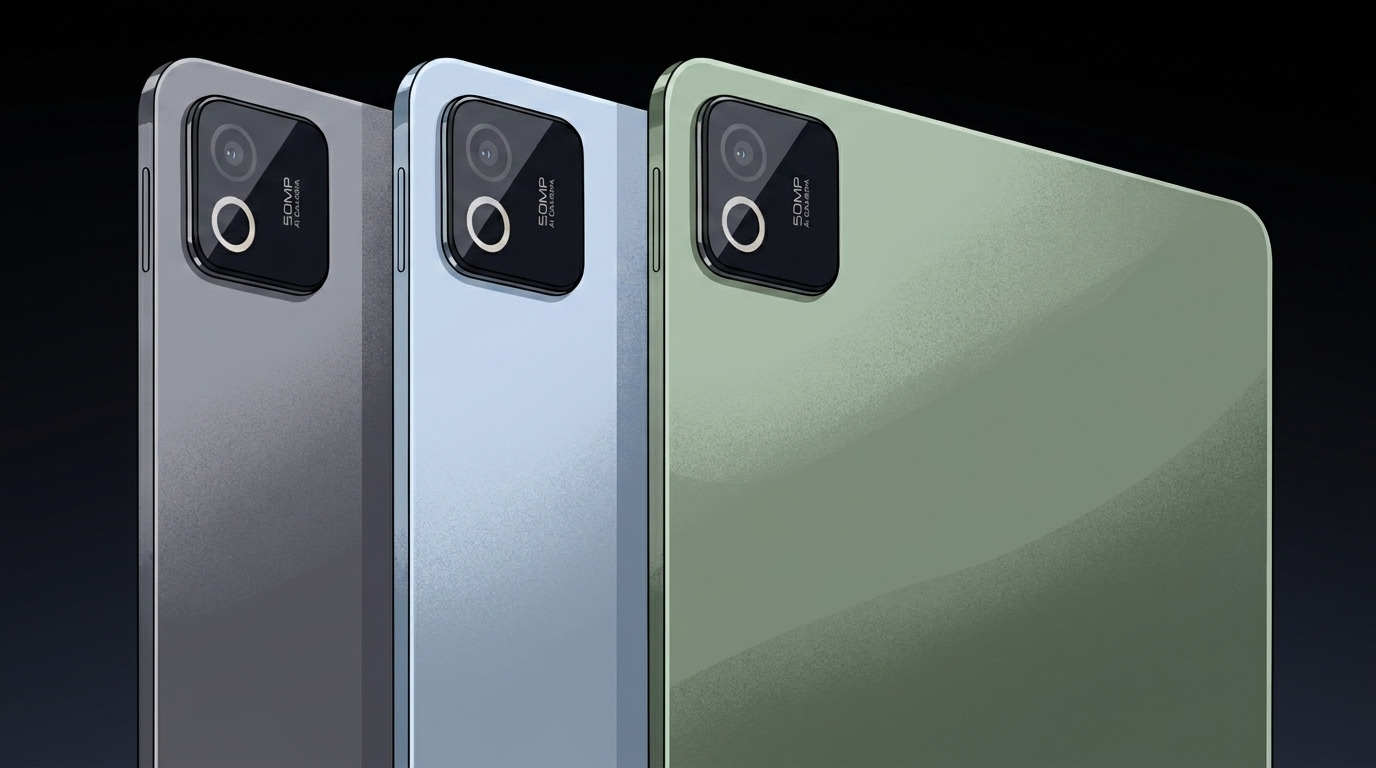


Xiaomi Pad 9 Pro Max Specifications Surface Showcasing Unique Colors and Custom Silicon
Recent hardware leaks indicate that the upcoming premium Xiaomi tablet will feature a massive battery, striking red finish, and an incredibly powerful custom processing chip.
Umar Abubakar | 30 Aug. 2026 · 3 min read

Fresh details regarding the upcoming Xiaomi Pad 9 Pro Max have surfaced online ahead of its official release, setting high expectations among mobile enthusiasts and hardware analysts alike. A comprehensive new hardware leak details the memory configurations, color choices, and technical specifications of the premium device, indicating that the Chinese electronics giant intends to aggressively challenge established premium tablet benchmarks. The most surprising detail involves the inclusion of a highly capable custom processor designed directly by the manufacturer, signaling an ambitious strategic push to reduce reliance on merchant silicon providers and assert complete control over its hardware ecosystem.
According to the leaked information, the device features an expansive thirteen-inch display that includes a specialized soft-light matte viewing mode aimed at reducing eye strain during prolonged reading, productivity sessions, and creative work. The physical chassis will reportedly arrive in a bold, striking red finish, alongside classic metallic neutrals. The company recently introduced this exact statement color option on the Redmi K100 Pro Max and plans to use it on the upcoming Xiaomi 18 Fold, establishing a cohesive visual identity across its premier product tiers. Despite its large footprint, the tablet weighs roughly 650 grams and houses a large dual-cell battery exceeding 10,000 milliampere-hours, supported by a blazing-fast 120-watt charging brick that can recharge the enormous cell in under an hour.
High-End Memory and Processing Power
The internal hardware specifications look extremely promising for heavy users, digital artists, and enterprise power users demanding desktop-grade responsiveness. While early engineering validation units were tested with a conservative baseline of eight gigabytes of memory, retail models will offer up to sixteen gigabytes of ultra-fast LPDDR5X RAM. Buyers can pair that high-bandwidth memory with either 512 gigabytes or one full terabyte of high-speed UFS 4.0 internal storage, ensuring instantaneous application launches and seamless local file transfers. Yet, the most interesting and groundbreaking component sits squarely at the center of the redesigned logic board.
The tablet will reportedly run on the XRING O3, which is the newest proprietary chip developed by the Chinese hardware giant. This marks a major architectural shift away from relying strictly on third-party component suppliers like Qualcomm and MediaTek for high-end silicon. The chip features ten processing centers arranged in an asymmetric cluster, including six maximum-performance units and four efficiency-optimized standard units capable of reaching clock speeds up to 4.35 gigahertz on peak workloads. Early synthetic benchmark tests suggest a massive sixty percent performance jump compared to older silicon designs, providing ample thermal headroom for sustained multi-window multitasking and on-device machine learning tasks.
An Accessible Path to Premium Hardware
The graphical processing unit is equally impressive, ensuring that visual output matches the raw computing power of the CPU architecture. The tablet uses a sixteen-unit G2 Ultra NX design that supports third-generation hardware-accelerated ray tracing for highly realistic video game lighting, reflections, and complex 3D rendering workflows. These cutting-edge specifications position the tablet as a direct competitor to the most expensive mobile devices currently available on the market, directly taking on flagship slates from Apple and Samsung.
The manufacturer plans to feature this exact same processor in their new flagship foldable smartphone to drive its demanding dual-screen operating system. Because foldable phones often retail for over fifteen hundred dollars, the Pad 9 Pro Max will likely become the most accessible and affordable way for consumers and software developers to test this custom silicon in real-world conditions. Furthermore, the tablet will run an upgraded iteration of HyperOS tailored for large-screen form factors, offering desktop-style window management, enhanced stylus latency, and frictionless cross-device pairing with the brand's connected laptops and smartphones. If these leaked specifications hold true, the company is preparing to release an incredibly capable Android tablet later this year that could redraw the competitive boundaries of the high-end consumer hardware market.

Umar Abubakar
 LinkedIn
Umar Abubakar
Expertise:Editorial Leadership, Product Design (UI/UX), Digital Media Strategy, Technology Systems, Product Architecture
Award:TechRobust Visionary Leader of the Year 2025
Umar serves as Editor-In-Chief and CEO of TechRobust, combining editorial vision with senior product design expertise to shape how modern technology stories are built, packaged, and told. Overseeing all editorial verticals, he directs coverage across global and regional tech landscapes while applying deep design thinking to publication strategy and reader experience.