
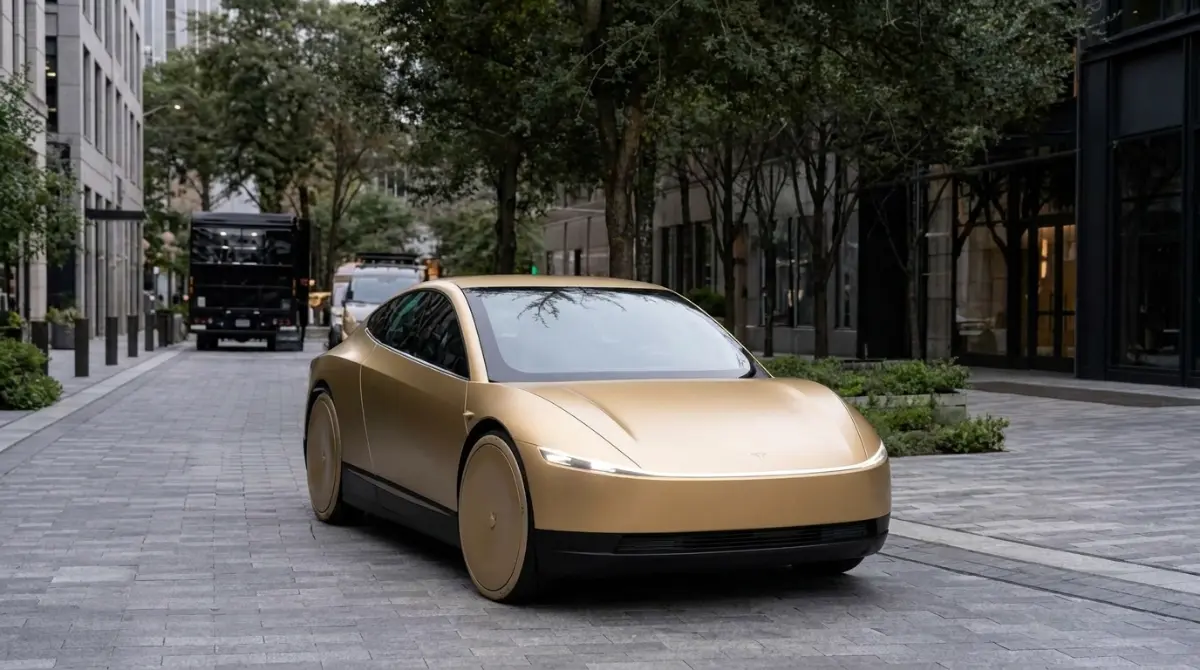


Federal Regulators Probe Tesla Cybercab Deployment Over Safety Rules
Federal transit officials initiated an audit examining how the automaker certified its driverless two-seater passenger car without conventional steering wheels or pedals.
Umar Abubakar | 4 Sept. 2026 · 3 min read

United States transportation regulators opened a formal investigation into Tesla after the automaker began dispatching custom driverless passenger cabs onto public roads in Austin, Texas. The National Highway Traffic Safety Administration launched an audit query covering roughly 1,000 vehicles to scrutinize how the company certified cars that lack traditional mechanical controls. The government inquiry began hours after the company invited retail riders to summon the two-passenger vehicle through its mobile software.
The regulatory inquiry centers on federal motor vehicle safety rules that historically assume automobiles have physical brake pedals, accelerator controls, side mirrors, and steering wheels. Rather than requesting a formal regulatory waiver from federal authorities, the manufacturer self-certified that the machines meet all applicable road standards. Regulators now want to examine the underlying technical data and legal determinations the automaker used to declare those traditional hardware rules inapplicable to autonomous transit. You can review how enterprise platforms handle digital safety by reading our coverage of how CrowdStrike and OpenAI expanded their partnership to secure digital workers.
Scrutiny Over Federal Motor Vehicle Safety Standards
Automotive manufacturers operating inside the United States must show compliance with dozens of detailed construction codes before deploying cars commercially. These rules govern everything from dashboard indicator lights to mechanical steering columns. When building cars without manual controls, autonomous developers typically submit detailed waiver applications to prove their vehicles match or exceed human safety thresholds.
Amazon subsidiary Zoox pursued that path by securing federal exemptions for its custom passenger pods after facing scrutiny over self-certification claims. By contrast, Tesla opted to self-certify its custom vehicles directly, arguing that automated computer vision systems eliminate the necessity of mechanical inputs. Federal investigators are now auditing the internal testing archives to confirm whether the company met statutory thresholds before accepting public passengers. Managing compliance while expanding autonomous transit involves strict corporate oversight, a dynamic highlighted when courts supported government restrictions on specific computing applications.
Financial Reactions and Market Ramifications
Wall Street reacted swiftly to news of the federal probe, with shares falling more than 6% as investors weighed potential rollout delays. Institutional analysts view driverless passenger fleets as central to supporting the company's multi-trillion market valuation. The electric vehicle producer faces softening margins on traditional automobile sales, making the commercial expansion of autonomous ride-hailing a top corporate priority.
If federal investigators find deficiencies in the self-certification paperwork, regulators could force the automaker to suspend passenger rides or restrict operations to private testing facilities until formal exemptions are granted. A prolonged regulatory review would slow vehicle deployment across additional metropolitan regions, including planned expansions in Florida and Texas. Navigating complex regulatory scrutiny across fast-growing corporate sectors mirrors challenges documented when regulators required investment firms to prove ownership of private assets.
Autonomous Fleet Expansion Under Federal Review
State registry records indicate the automaker registered 420 autonomous vehicles across Texas, including 45 custom two-seater cabs alongside modified Model Y sports utility vehicles. Operating driverless networks at scale requires clear safety validation, especially when vehicles encounter unexpected weather changes, obscured lane markings, or active emergency response crews.
The company maintains that camera-based neural network models navigate complex traffic conditions safely without human intervention. However, federal safety auditors will determine whether commercial operations can continue while the investigation proceeds. As governments worldwide establish legal guardrails for autonomous machines, the findings from this federal inquiry will set vital precedents for how driverless vehicle fleets are regulated on public streets.
Read More on TechRobust:
Umar Abubakar
 LinkedIn
Umar Abubakar
Expertise:Editorial Leadership, Product Design (UI/UX), Digital Media Strategy, Technology Systems, Product Architecture
Award:TechRobust Visionary Leader of the Year 2025
Umar serves as Editor-In-Chief and CEO of TechRobust, combining editorial vision with senior product design expertise to shape how modern technology stories are built, packaged, and told. Overseeing all editorial verticals, he directs coverage across global and regional tech landscapes while applying deep design thinking to publication strategy and reader experience.