
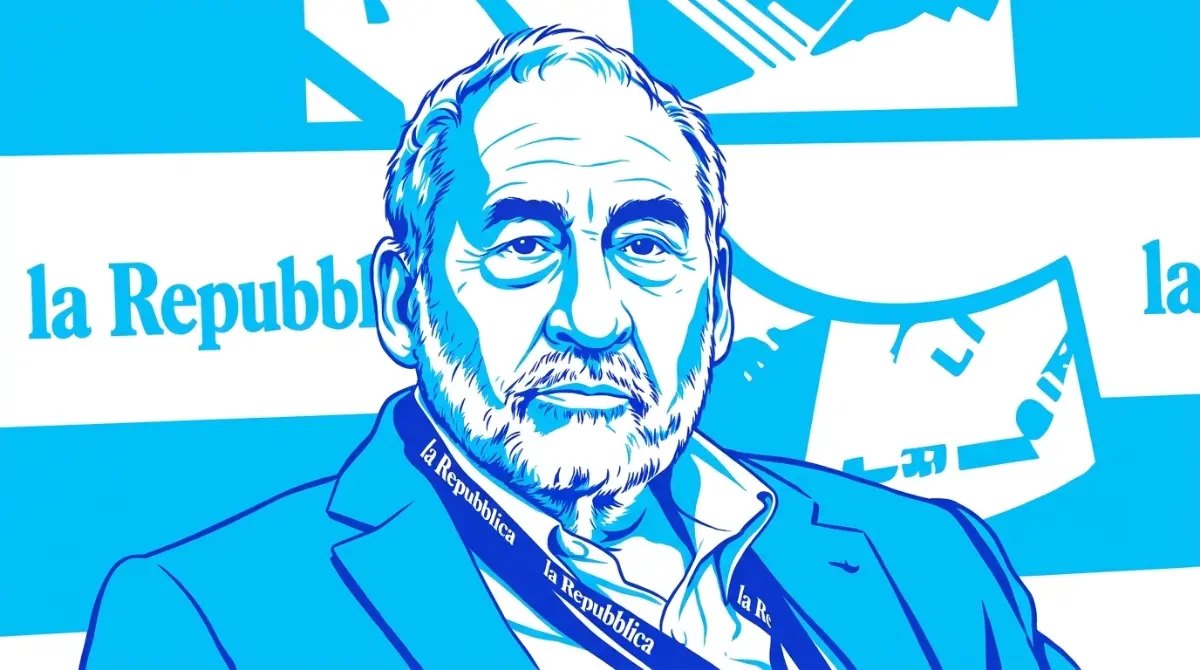


Stiglitz Warns of Economic Collapse From AI Investment
Nobel laureate Joseph Stiglitz argues that tech corporations racing to automate white-collar jobs risk destroying the consumer purchasing power needed to sustain their profits.
Umar Thariwat | 12 Sept. 2026 · 5 min read

Sitting across the table from tech founders in San Francisco, I often hear the same confident pitch. They tell me their new software will replace dozens of human analysts, coders, or writers. They project massive profit margins because they plan to run their operations without paying salaries or healthcare benefits. From the perspective of a single startup, this math looks brilliant. But when every single technology firm across the globe executes the exact same strategy, the math turns catastrophic. If nobody has a paycheck, who is going to buy the software?
This exact question sits at the center of a recent argument made by Nobel Prize-winning economist Joseph Stiglitz. In a recent opinion piece for the Financial Times, Stiglitz attacked the blind optimism fueling the current rush of Silicon Valley investment. He noted that while artificial intelligence creates a short-term boost in macroeconomic activity, it rests on a dangerously fragile assumption. The corporations pouring billions of dollars into server farms assume they will secure lasting commercial dominance. They ignore the reality that intense global competition will likely push the price of automated reasoning down to zero.
The Illusion of the Jobless Economy
I have spent a decade and a half analyzing the financial strategies of massive tech companies. The current environment feels remarkably similar to the housing bubble of 2007, a period Stiglitz correctly points out our macroeconomic tools failed to manage. Today, the technology sector celebrates the idea of a jobless economy. Venture capitalists openly root for algorithms to replace human workers because they believe it will increase corporate margins.
Stiglitz tears this logic apart. He explains that the fortunes of these massive technology firms are entirely dependent on consumer demand. Our modern economic system requires ordinary people to hold stable jobs so they can spend money. When companies replace millions of white-collar workers with software, those unemployed individuals stop buying things. They stop subscribing to streaming services, they stop purchasing new smartphones, and they stop buying the goods that keep the global supply chain moving.
You can see the early signs of this tension brewing in the labor market. Last month, we analyzed the ongoing friction between institutional management and labor unions in our coverage of the University of Sydney staff strike over artificial intelligence job security. Workers are beginning to realize that the current wave of technological change threatens their livelihood in a way previous software updates did not.
Missing Plans for a Massive Shift
The shift to a highly automated society is not inherently bad, provided society has the proper structures to manage the changes. Stiglitz compares our current moment to the agricultural shifts that preceded the Great Depression. During that era, advanced farming equipment drastically reduced the need for farm labor. The nation suddenly had too many unemployed agricultural workers and no system to move them into new industries. It took the massive government intervention of World War II to finally balance the labor scales.
Today, we face a similar lack of preparation. Stiglitz warns that we possess neither the micro nor the macro systems to handle the displacement of millions of knowledge workers. Our political leaders are asleep at the wheel, assuming the free market will naturally create new categories of employment. But if software can think, reason, and write faster than a college graduate, it is difficult to imagine what new jobs will magically appear for the displaced middle class.
This anxiety is spreading beyond academic circles. Prominent voices inside the industry are raising identical alarms. Recently, we reported on how Bill Gates warned of severe labor security risks in a new essay, suggesting that society must find a way to tax robotic labor to fund social safety nets. If the people building the tools are sounding the alarm, the financial sector should listen.
The Threat of the Bursting Bubble
Investors are currently acting under the delusion that artificial intelligence is a guaranteed path to infinite wealth. The amount of capital flowing into physical hardware is staggering. Industry observers note that PwC expects AI infrastructure investment to reach $31T by 2050. But this entire financial structure collapses if the underlying software fails to generate actual profits.
Stiglitz points out that if the bubble bursts, the short-term damage to the global economy will be severe. Companies are spending wildly on processors and cooling systems based on the promise of future recurring revenue. If the technology succeeds technologically but fails to secure a monopoly, prices will crash. If prices crash, the companies cannot pay back the massive loans they took to buy their server farms. This creates a cascading failure across the financial system.
I find it deeply troubling that so few executives are discussing the demand side of the equation. They are entirely focused on supply. They want to supply faster code, supply automated marketing copy, and supply instant medical diagnoses. But a healthy economy requires balance. You cannot simply extract labor costs without destroying the purchasing engine that keeps capitalism running.
Stiglitz leaves us with a stark reality check. He suggests that artificial intelligence might prove highly useful as an assistant to human workers, like helping a plumber diagnose a broken pipe. But the plumber still needs to fix the pipe, and they still need a paycheck. If we fail to build clear industrial strategies and retraining programs right now, this technological shift will cause immense social and economic disruption. We must demand better policies from our public officials, or we risk engineering our own economic collapse.
Read More on TechRobust:

Umar Thariwat
 LinkedIn
Umar Thariwat
Expertise:Tech News Reporting, Tech Business Analysis, Economic Foundations, Market Trends, Digital Economy
Award:Rising Voice of the Year 2025
Thariwat is a Staff Writer and Reporter covering tech news and enterprise trends at TechRobust. Blending daily reporting with her ongoing academic background in economics, she analyzes earnings, digital market, and the commercial strategies powering the global tech sector.