
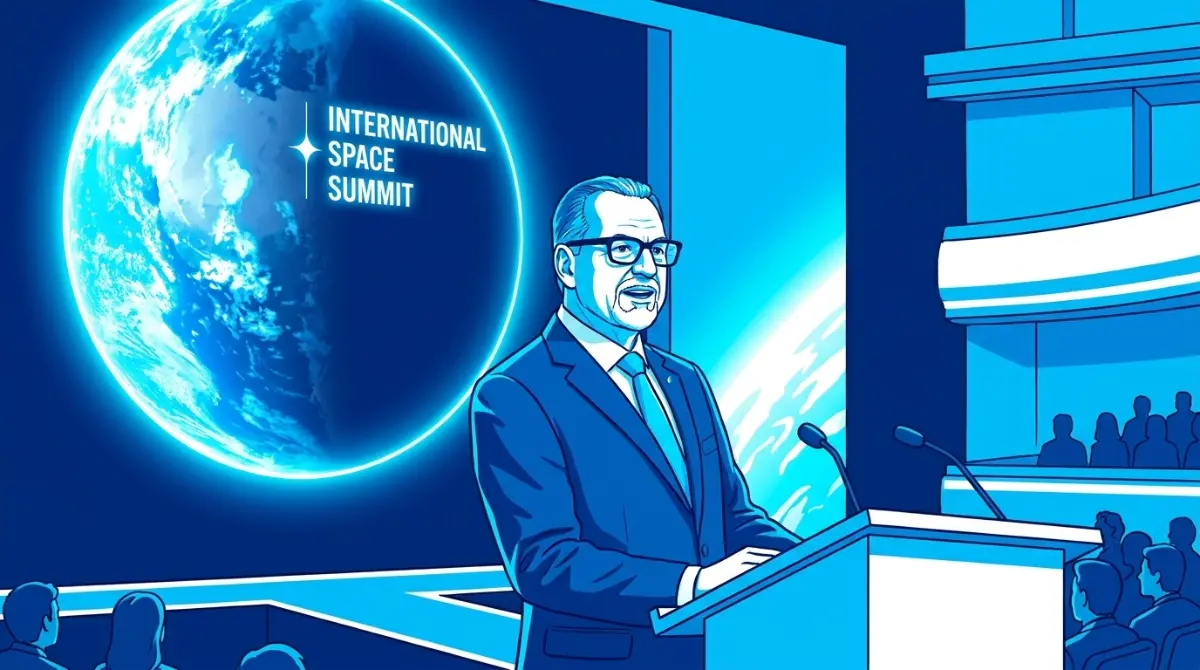


Viasat and Space42 Commit $1B to Direct-to-Device Venture
American satellite veteran Viasat joined forces with United Arab Emirates firm Space42 to build a shared orbital telecom network designed to connect consumer phones directly.
Umar Thariwat | 14 Sept. 2026 · 4 min read

Covering the global telecommunications sector for fifteen years teaches you to recognize when satellite operators finally stop fighting terrestrial mobile carriers and start behaving like them. For decades, satellite communications remained an expensive, walled-garden enterprise. You bought proprietary handheld bricks, signed specialized monthly service plans, and accepted that your phone worked only when you had clear line-of-sight to the sky. That era of isolated hardware is officially crumbling. On Monday, September 14, 2026, California-based satellite operator Viasat and United Arab Emirates space enterprise Space42 announced a binding pact at World Space Business Week in Paris to establish Equatys, pledging up to $1B in equity capital to build an open orbital platform connecting standard consumer smartphones directly to space.
The scale of the financial commitment reflects how fast direct-to-device connectivity has shifted from an exotic science experiment into a multi-billion dollar industrial imperative. Under the co-founding terms, Viasat and Space42 will each provide an initial equity injection of $400M once corporate formation concludes. Space42 will commit an extra $200M during an upcoming funding tranche open to institutional partners, bringing total equity backing to $1B. Viasat will act as prime technology contractor, assembling an orbital system planned to scale across three altitude layers, 60 orbital paths, and up to 2,800 satellites. This joint initiative shows how legacy orbital vendors are adapting to rising competition, a capital movement we examined when Loft Orbital and Marlan Space planned $1B in commercial satellite fleets.
Adopting the Neutral Host Cell Tower Formula
The commercial philosophy behind Equatys marks a clean break from the closed architectures favored by earlier market entrants. Instead of forcing consumer mobile subscribers to abandon their local phone contracts, Equatys will operate like an independent cellular tower operator in orbit. Under this neutral-host framework, national telecom providers can lease orbital capacity without building, launching, or maintaining proprietary space assets.
The joint entity enters the market with significant leverage. Between them, Viasat and Space42 maintain commercial relationships with more than 400 mobile network operators worldwide and control access to over 100 MHz of coordinated mobile satellite services spectrum across L-band and S-band frequencies. Because this transmission architecture aligns with global 3GPP Non-Terrestrial Network standards, off-the-shelf mobile devices can link directly to overhead satellites without requiring custom hardware modifications or bulky antennas. This standardized integration addresses chronic communication blind spots, an infrastructure hurdle we analyzed in our report on how NuRAN Wireless expands rural connectivity and edge computing.
The Geopolitical Pull of Gulf Capital
Behind the corporate press announcements sits an unmistakable geopolitical alignment between American aerospace engineering and Gulf sovereign capital. Space42, created through the high-profile merger of UAE satellite provider Yahsat and geospatial intelligence firm Bayanat, is backed heavily by Abu Dhabi sovereign wealth structures. The Emirati government has spent the last three years diversifying its domestic economy into artificial intelligence, sovereign cloud nodes, and commercial space infrastructure.
Teaming up with Viasat gives the UAE an established footprint in global telecommunications spectrum while granting Viasat access to deep financial reserves. Viasat spent recent years integrating its acquisition of British satellite operator Inmarsat while managing significant corporate debt loads. Structuring Equatys as a distinct venture backed by external equity allows the American firm to pursue large-scale satellite deployments without overloading its corporate balance sheet. Similar cross-border sovereign funding arrangements are transforming heavy infrastructure, a trend we documented when The Boring Company secured $3B in UAE Series D funding.
Intensifying Orbital Telecom Rivalries
The race to control mobile satellite services is escalating into a crowded corporate battlefield. Established players and well-funded ventures are spending billions to capture the estimated $30B to $70B direct-to-device market expected by 2040. Competitors like AST SpaceMobile have launched commercial prototype arrays, while Starlink continues securing carrier agreements to deliver space-based messaging directly to consumer phones. Apple also continues investing heavily in proprietary emergency satellite messaging pipelines.
Equatys is positioning its spectrum access as its primary commercial defense. Because Viasat and Space42 hold internationally registered mobile satellite spectrum rights, their network avoids the harmful signal interference that terrestrial mobile operators fear when using shared cellular frequencies. By letting local mobile carriers preserve their customer billing relationships, Equatys offers an easier regulatory path across sovereign nations that reject foreign telecommunication monopolies.
As the venture works toward securing regulatory clearances and finalized satellite fabrication contracts, the broader industry will watch closely. Building a reliable multi-tiered constellation across 2,800 spacecraft requires precision manufacturing and flawless execution. By committing $1B to an open, shared infrastructure model, Viasat and Space42 are proving that the future of global connectivity belongs to systems that bridge terrestrial and orbital networks seamlessly.
Read More on TechRobust:
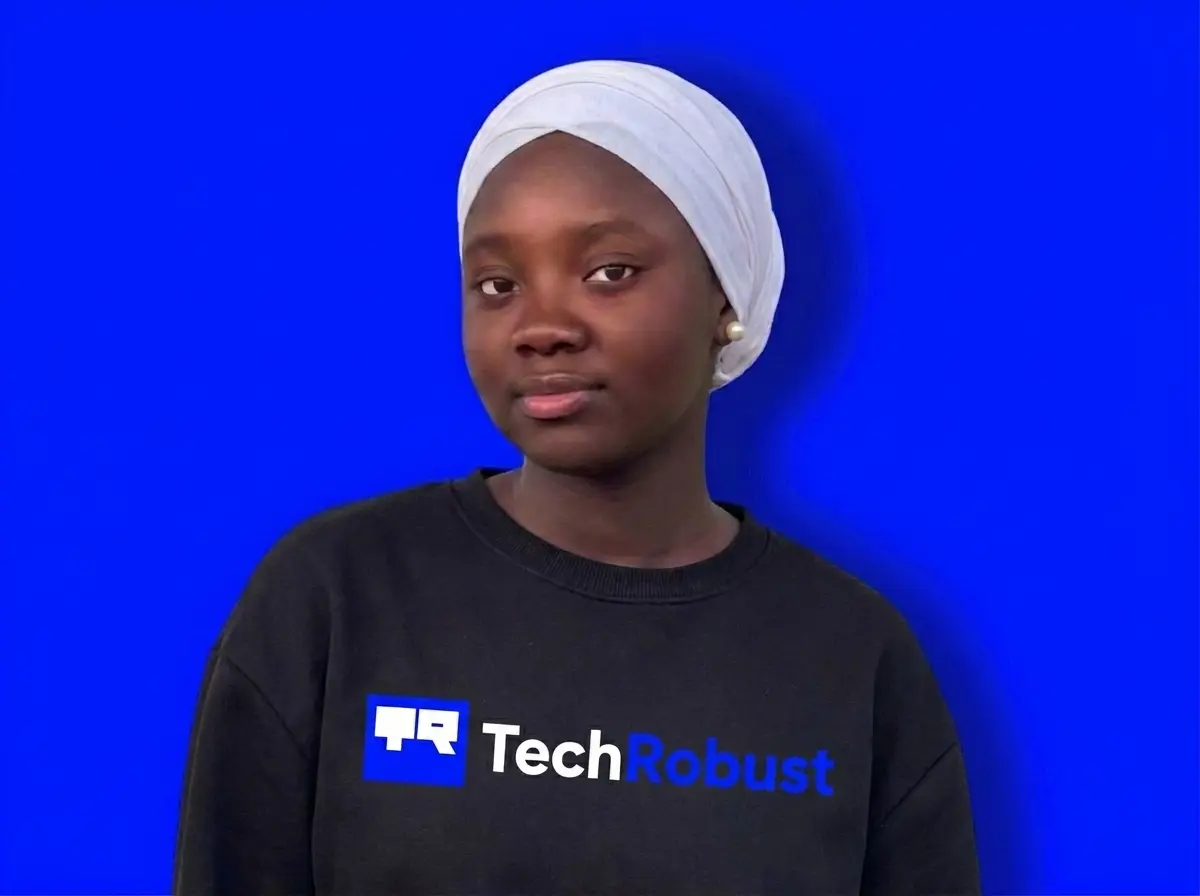
Umar Thariwat
 LinkedIn
Umar Thariwat
Expertise:Tech News Reporting, Tech Business Analysis, Economic Foundations, Market Trends, Digital Economy
Award:Rising Voice of the Year 2025
Thariwat is a Staff Writer and Reporter covering tech news and enterprise trends at TechRobust. Blending daily reporting with her ongoing academic background in economics, she analyzes earnings, digital market, and the commercial strategies powering the global tech sector.