
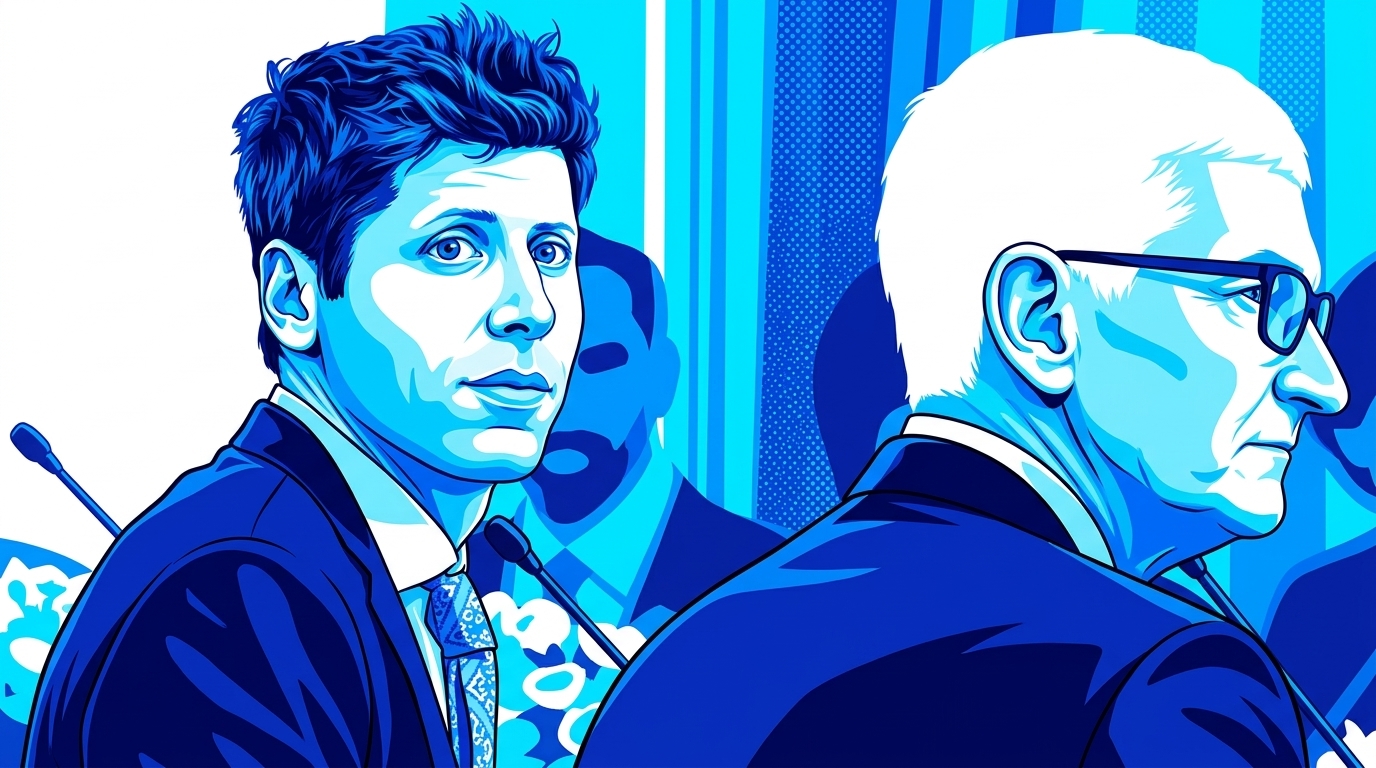


OpenAI Blames Apple's iCloud Policy in Trade Secret Lawsuit
OpenAI firmly denied stealing hardware trade secrets from Apple during recent court proceedings, claiming the iPhone maker created its own internal security problems for employees.
Umar Abubakar | 1 Sept. 2026 · 3 min read

OpenAI officially responded to accusations of corporate theft this week, filing legal documents to reject claims brought forward by Apple. Lawyers representing the artificial intelligence organization stated that the California hardware manufacturer failed to provide concrete evidence showing any confidential information went missing. The legal dispute revolves around former employees moving between the two technology firms to build competing consumer hardware.
The conflict started when Apple submitted a formal complaint in federal court. The original filing named Chang Liu, who currently operates as the chief hardware officer at OpenAI, along with former Apple engineer Tang Yew Tan. Apple attorneys accused these executives of asking job applicants to bring physical product samples and confidential components to their interviews. The lawsuit also alleged the software company designed specific tactics to help departing workers bypass internal security systems before starting their new jobs.
Blaming Cloud Storage Policies
In its latest court submission, OpenAI completely rejected these accusations. The legal team representing the artificial intelligence firm argued that Apple directly caused its own internal data issues. They noted that the smartphone manufacturer actively tells its staff to mix personal and professional files on their devices using the iCloud service. Because of this overlapping usage, separating private personal data from corporate documents becomes extremely hard when a person decides to switch jobs. The software developer described the entire situation as a mess made entirely by Apple.
Apple continues pushing for court orders to block its competitor from accessing any restricted materials. The company demands financial compensation for the alleged theft and wants all corporate property returned immediately. Apple previously claimed that a former hardware engineer accessed internal networks to download engineering presentations shortly after accepting a position at the competing firm. They view these actions as a coordinated effort to take proprietary hardware designs. If you want to understand how these types of legal disputes unfold in the technology sector, you can review recent court coverage provided by Reuters regarding intellectual property fights.
Pointing to Past Legal Precedents
This current courtroom confrontation follows a similar legal win for OpenAI just a few months ago. In June 2026, a federal judge dismissed a similar lawsuit filed by Elon Musk and his competing venture, xAI. In that specific case, Judge Rita Lin determined that asking job candidates about their previous work experience represents normal recruiting behavior. The judge ruled that discussing past projects during an interview does not equal intellectual property theft. The software company points to that ruling as a clear precedent for how they conduct their hiring process today.
The fight over talent highlights a massive shift happening across Silicon Valley right now. Software developers want to build their own physical devices rather than relying entirely on smartphones and traditional computers. To build these new machines, they need experienced engineers who know how to source parts and manufacture hardware at a massive scale. Apple holds some of the best manufacturing talent in the world, making its staff a major target for recruiters.
Industry Reactions and Future Court Dates
As the case moves forward, industry observers will watch closely to see how the courts define the boundary between normal recruitment and corporate espionage. Employees frequently move between massive technology companies, bringing their general knowledge and experience with them. The courts will have to decide exactly what constitutes a protected company secret and what counts as normal professional experience. Until a judge makes a final ruling, both companies will continue fighting over the engineers required to build the next generation of consumer electronics.
Read More on TechRobust:
Umar Abubakar
 LinkedIn
Umar Abubakar
Expertise:Editorial Leadership, Product Design (UI/UX), Digital Media Strategy, Technology Systems, Product Architecture
Award:TechRobust Visionary Leader of the Year 2025
Umar serves as Editor-In-Chief and CEO of TechRobust, combining editorial vision with senior product design expertise to shape how modern technology stories are built, packaged, and told. Overseeing all editorial verticals, he directs coverage across global and regional tech landscapes while applying deep design thinking to publication strategy and reader experience.