
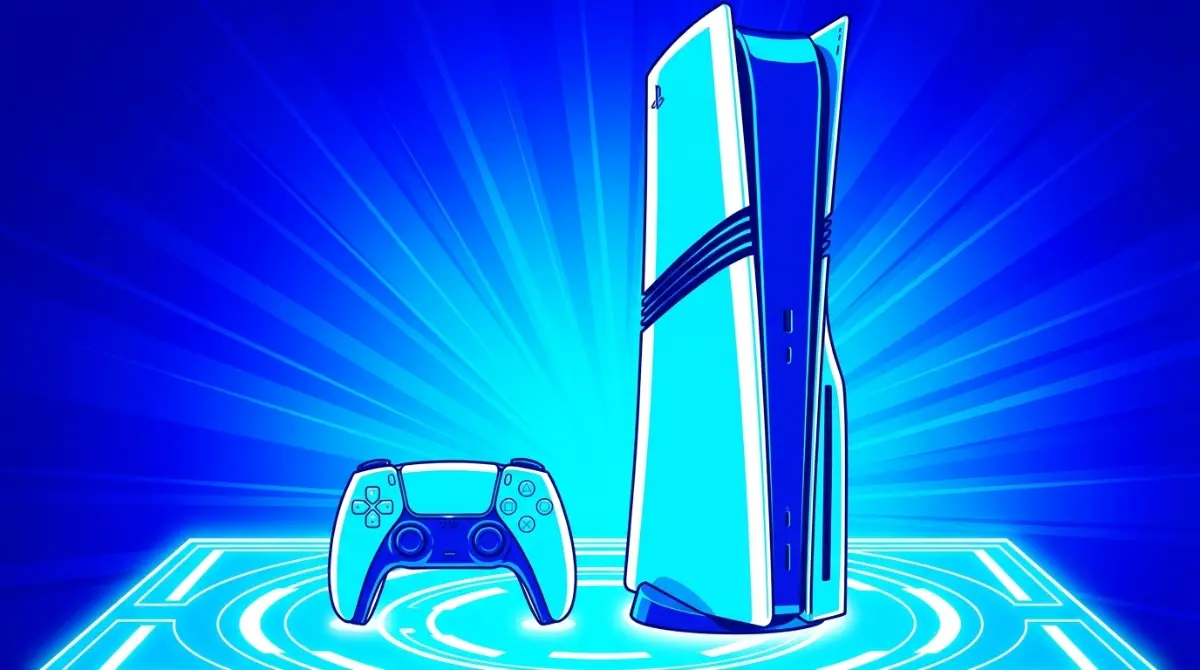


Sony Tells PlayStation Gamers They Do Not Own Digital Purchases
The electronics manufacturer recently reminded players that purchasing online titles only grants a temporary license to play rather than permanent property rights.
Umar Abubakar | 1 Sept. 2026 · 2 min read

Sony recently sparked intense debate across the gaming community by clarifying its digital distribution terms. The corporation reminded PlayStation customers that buying a video game online for $70 does not mean the buyer actually owns the software. Instead, players are purchasing a limited, revocable license to access the entertainment file through their network accounts. This reality check highlights a massive shift in how media is consumed, moving away from physical discs and cartridges toward purely cloud-based libraries.
The discussion gained traction as younger consumers, particularly Gen Z players who grew up entirely on streaming services and digital downloads, confront the limits of virtual property. Unlike older generations who built physical collections of game discs and cartridges, digital buyers have zero legal control over their libraries if the platform operator decides to close a server or pull a title from the store. You can read more about how major platforms handle user data and privacy restrictions in our report covering how Amazon Ring introduced a new encryption privacy update.
The Legal Reality of Digital Licensing
When a consumer clicks the purchase button on a modern digital storefront, the fine print specifies that they are merely renting access to the software. If a publisher loses the rights to a specific soundtrack, or if an online service shuts down entirely, the game can vanish from a user's library without warning. Consumers have experienced this frustration repeatedly as older multiplayer servers go offline, rendering expensive software completely unplayable.
This licensing model protects corporate publishers while stripping away traditional consumer protections like resale rights. A player cannot trade, lend, or sell a digital game once they finish playing it. The entire financial transaction benefits the platform operator, leaving the consumer with a vulnerable asset. Other digital sectors face similar regulatory scrutiny regarding ownership and access, a pattern we tracked when reporting on how US regulators sued Amazon over hidden advertising surcharges.
Shifting Consumer Habits Among Younger Players
Despite the lack of true ownership, convenience continues to drive digital sales. Most modern game consoles do not even include a physical disc drive in their base configurations, forcing players to download titles directly from the internet. Industry analysts note that younger players prioritize instant access and clutter-free living spaces over traditional physical collections.
However, pushback is slowly building as players realize the financial risks of renting their entertainment libraries. Consumer advocacy groups argue that clearer labeling should warn buyers that digital goods can disappear at any moment. As the industry continues its march toward a completely paperless and disc-free marketplace, the debate over digital property rights will only intensify. You can explore how hardware manufacturers adapt to changing buyer preferences by reading our review of the Nothing Phone 4a and 4a Pro.
Read More on TechRobust:

Umar Abubakar
 LinkedIn
Umar Abubakar
Expertise:Editorial Leadership, Product Design (UI/UX), Digital Media Strategy, Technology Systems, Product Architecture
Award:TechRobust Visionary Leader of the Year 2025
Umar serves as Editor-In-Chief and CEO of TechRobust, combining editorial vision with senior product design expertise to shape how modern technology stories are built, packaged, and told. Overseeing all editorial verticals, he directs coverage across global and regional tech landscapes while applying deep design thinking to publication strategy and reader experience.