
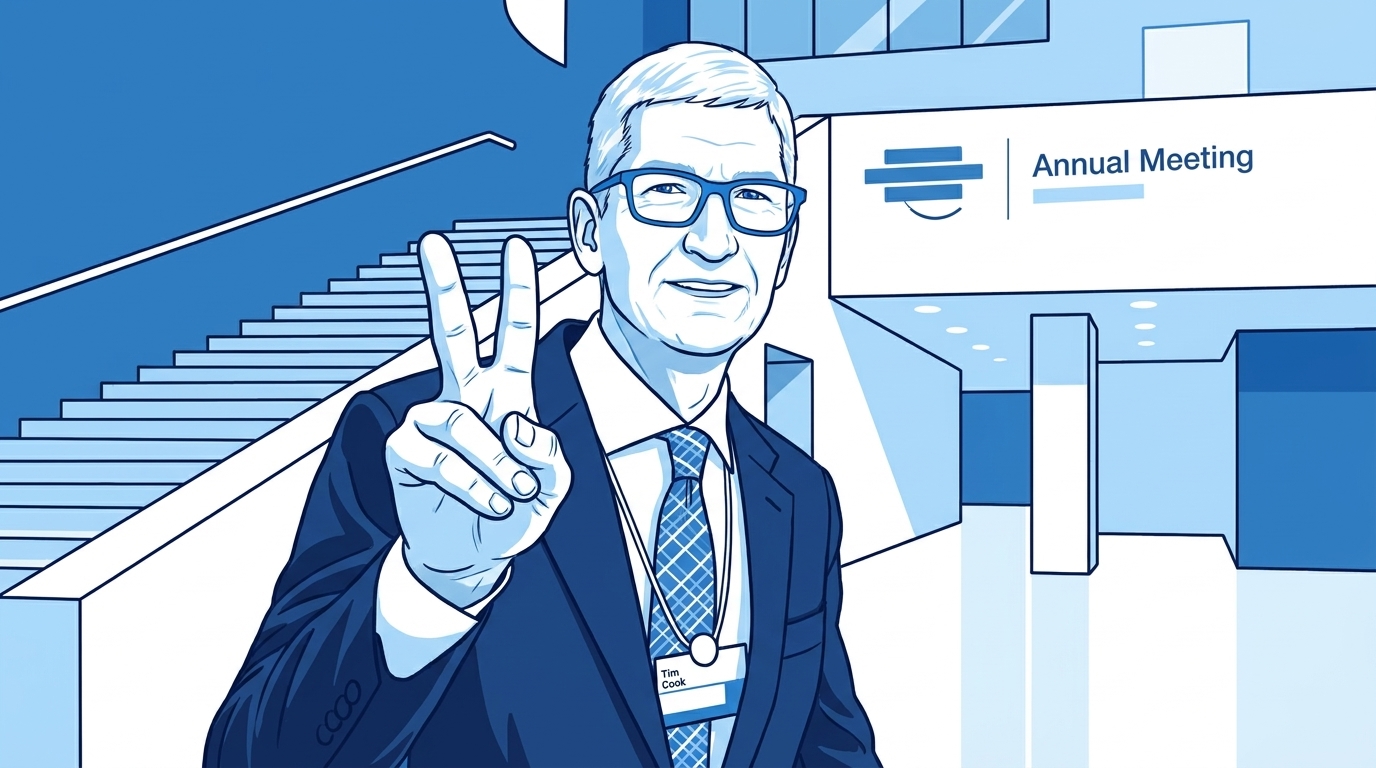


Tim Cook at Apple: The Hardware Wins, Financial Records, and Hardware Stumbles That Shaped His Tenure
A thorough breakdown of how Tim Cook expanded Apple into a multitrillion dollar enterprise, balancing monumental hardware triumphs against high profile project stumbles.
Umar Abubakar | 28 Aug. 2026 · 4 min read

When Tim Cook stepped into the chief executive seat at Apple in 2011, industry watchers questioned whether an operations specialist could maintain the momentum built by Steve Jobs. Over more than a decade at the helm, Cook answered that question by turning the Cupertino hardware maker into one of the most valuable corporations on Earth. His leadership style diverged sharply from his predecessor: Cook prioritized supply chain mastery, expanded recurring subscription services, and built massive product ecosystems around existing hardware.
Evaluating Cook's run at Apple requires looking at both sides of the ledger. On one hand, he greenlit custom processors and audio accessories that altered consumer expectations globally. On the other hand, several ambitious hardware initiatives stalled, faced soft consumer demand, or were abandoned after years of quiet capital investment.
The Major Hits
1. Custom Silicon and the Mac Renaissance
In 2020, Apple began transitioning away from Intel processors to deploy internal, ARM-based desktop architecture. The arrival of the M-series chips marked one of the cleanest architectural shifts in personal computing history. By building bespoke silicon tailored directly to macOS, Apple delivered machines with remarkable battery endurance, cooler thermals, and dramatic speed gains across creative software suites.
This decision revived consumer interest in the MacBook line. Creative professionals who had looked elsewhere returned to Apple hardware, and the unified memory architecture set a benchmark that rival chipmakers spent years attempting to match. For further analysis on computing hardware transitions, check out detailed architectural coverage on AnandTech and reporting from The Verge.
2. AirPods and the Wearables Category
When Apple removed the headphone jack from the iPhone in 2016, public reaction was skeptical. The accompanying introduction of AirPods faced early criticism regarding design and aesthetics. Within two years, however, wireless earbuds shifted from a niche accessory to an everyday consumer standard.
AirPods succeeded because Apple focused on pairing convenience, stable Bluetooth connections, and compact charging cases rather than audiophile-only specs. The line expanded into higher-tier models featuring active noise cancellation, creating a standalone wearables business that eventually generated revenue rivaling standalone Fortune 500 corporations. Real-time updates on consumer audio hardware can be tracked via Wired Gear.
3. Financial Expansion and Services Growth
Under Cook's management, Apple reached market valuations of one trillion, two trillion, and eventually three trillion dollars. This growth did not rely solely on selling new iPhones each autumn. Instead, Cook methodically built out Apple Services, including iCloud storage, Apple Music, Apple Pay, and digital warranty packages.
By monetizing the active device install base through software and recurring fees, Apple established reliable cash flow even during quarters when hardware upgrades slowed. Financial breakdowns and market performance analyses are routinely tracked by financial outlets like Bloomberg Technology and Reuters Technology.
The Notable Misses
1. Apple Vision Pro and Spatial Computing Headwinds
Announced with significant fanfare in 2023, the Apple Vision Pro represented the company's first brand-new computing platform in almost a decade. While the micro-OLED displays and eye-tracking controls earned technical praise, the headset suffered from practical hurdles: a high price tag, considerable weight, and a lack of breakout software experiences for everyday users.
Sales remained confined primarily to developers and dedicated early adopters. While future hardware iterations may address ergonomics and pricing, the initial launch highlighted the difficulty of establishing head-worn computing as a mainstream replacement for traditional screens.
2. Project Titan (The Cancelled Apple Car)
For roughly a decade, Apple poured billions of dollars and hundreds of engineers into Project Titan, an effort to design an autonomous electric vehicle. The initiative experienced multiple changes in executive direction, scope revisions, and staffing shakeups before the company finally ended development in 2024.
The decision to shut down the automotive project demonstrated the limits of applying consumer electronics timelines to complex, capital-intensive manufacturing sectors subject to heavy safety regulations. Reporting from CNBC Technology documented the extensive internal resources reallocated to alternative software programs once the car was shelved.
3. Generative Software and Market Timing
While Apple dominated hardware integration, the sudden industry pivot toward rapid generative language models found the company moving more cautiously than its peers. Initial implementations rolled out slowly across operating systems, with Apple relying on external partnerships to supplement native capabilities while building privacy-focused on-device processing.
The deliberate pace drew scrutiny from industry analysts who questioned whether Cupertino could maintain its usual software differentiation in a market prioritizing rapid cloud-based model releases. Comprehensive analysis on artificial intelligence shifts is available through TechCrunch.
Final Assessment
Tim Cook's legacy as Apple CEO is defined by scale, discipline, and execution. While his tenure produced fewer sudden product category surprises than the Jobs era, his operational mastery converted Apple into an unmatched financial power with unmatched customer retention across its hardware portfolio.
Umar Abubakar
 LinkedIn
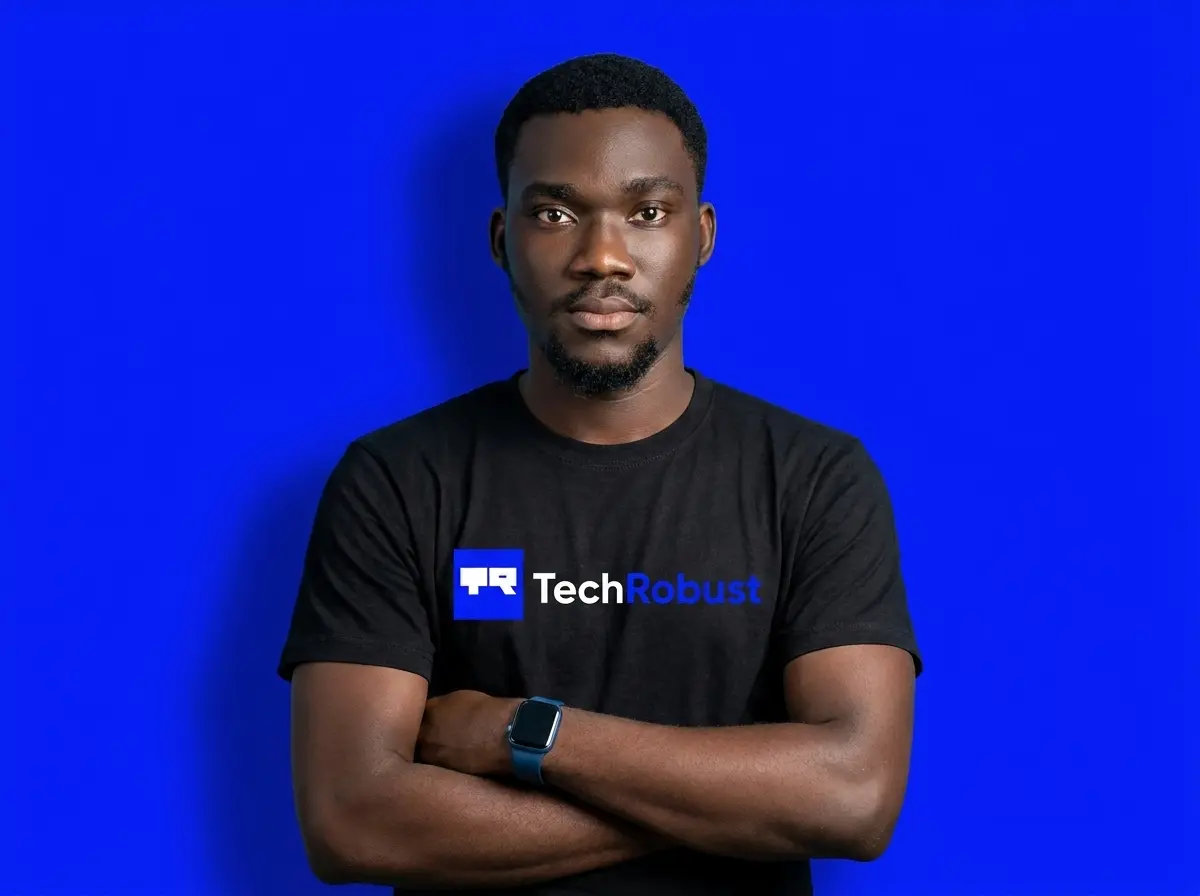
Umar Abubakar
Expertise:Editorial Leadership, Product Design (UI/UX), Digital Media Strategy, Technology Systems, Product Architecture
Award:TechRobust Visionary Leader of the Year 2025
Umar serves as Editor-In-Chief and CEO of TechRobust, combining editorial vision with senior product design expertise to shape how modern technology stories are built, packaged, and told. Overseeing all editorial verticals, he directs coverage across global and regional tech landscapes while applying deep design thinking to publication strategy and reader experience.